Česká filharmonie

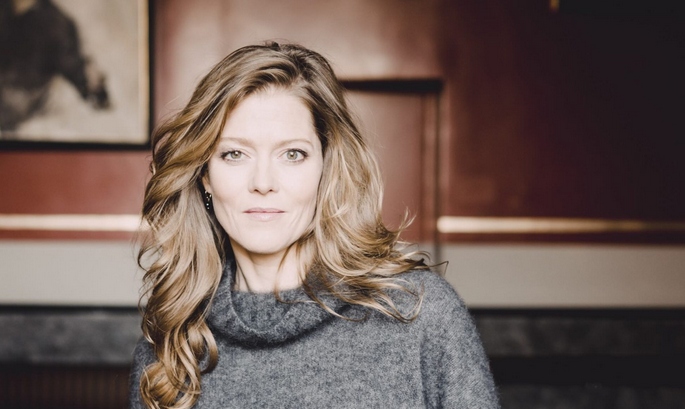
Program Charles Ives: The Unanswered Question Joseph Haydn: Symfonie č. 45 fis moll „Na odchodnou“ Hob. I:45 Arnold Schönberg: Zjasněná noc op. 4 George Gershwin: Girl Crazy, suita z muzikálu (ar. Bill Elliott) Interpreti Česká filharmonie Barbara Hannigan – soprán, dirigentka „Tento můj druhý pražskojarní koncert s Českou filharmonií představí díla, která jsou mi velice drahá: Haydnovu symfonii s láskyplným závěrem a další hudební báseň pro smyčce, Schönbergovu ranou skladbu Zjasněná noc, ve které učiní žena srdcervoucí přiznání své životní lásce. Následuje suita z Girl Crazy George Gershwina, což se může zdát někomu divné (a skutečně – fakt, že Gershwin a Schönberg byli přátelé, a dokonce spolu hráli tenis, se některým může zdát absurdní), ale v tomto případě zde před námi stojí dva skvělí skladatelé, kteří si pohrávají s bohatostí harmonií a emocí romantické lásky,“ říká o programu Barbara Hannigan. V každém případě nás v závěru své rezidence pozve na dobrodružnou výpravu, kterou otevře dnes již legendární skladbou s názvem Nezodpovězená otázka amerického hudebního vizionáře Charlese Ivese (1874–1954). Zakladatel Ives & Myrick Insurance Company, který přišel jako první s konceptem plánování pozůstalosti a svou hudbu, která předběhla dobu o desítky let, skládal pouze o víkendech a ve vlaku do práce, byl jako skladatel za svého života téměř ignorován. Pro dokreslení: v roce 1947 získal Pulitzerovu cenu za Třetí symfonii, kterou složil čtyřicet let předtím. The Unanswered Question, tajuplná skladba z roku 1908, bývá někdy popisována jako programní hudba, trefnější by ale bylo hovořit o filozofii přenesené do hudby. V úvodu ke skladbě autor píše, že se zabývá „věčnou otázkou existence“. Ani ne šestiminutové dílo je čitelně strukturováno do tří na sobě nezávislých vrstev – první tvoří sólová trubka, druhou čtyři flétny a třetí smyčce, které přinášejí jakési poklidné pozadí. Trubka svým sólem položí otázku, na níž čtyři flétny, reprezentující lidstvo, hledají odpověď. Napřed měkce, později však – jakoby frustrovány nemožností ji najít – agresivněji a nervózněji. Nakonec se trubka zeptá naposledy… A odpovědí je jí výmluvné ticho. ...

Tue June 2, 2026 · 4 min · 697 words · Ives, Haydn, Schonberg, Gershwin

Luigi Nono mezi aeroplány

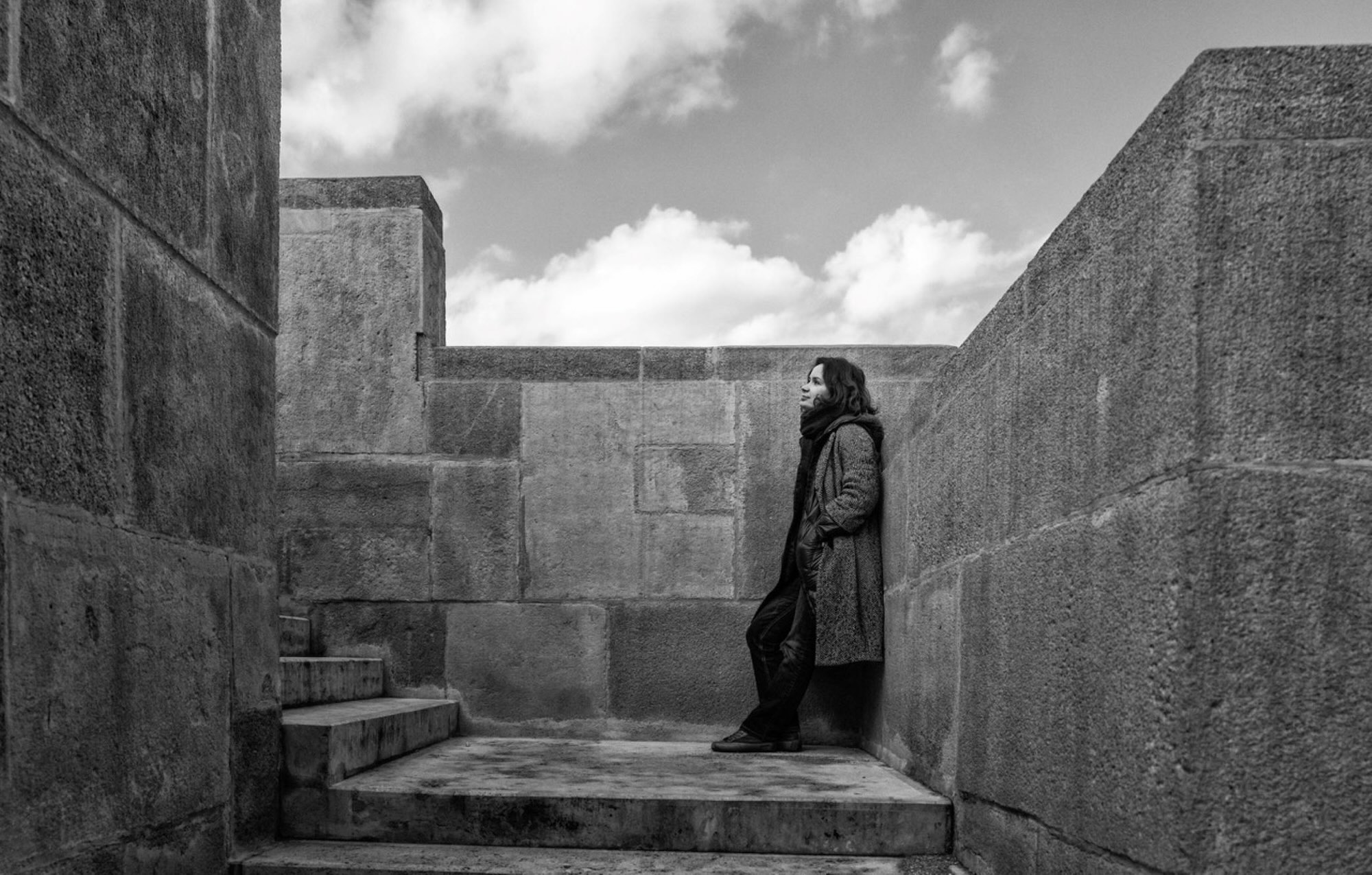
Program Salvatore Sciarrino: Šest capriccií pro sólové housle Luigi Nono: La lontananza nostalgica utopica futura pro housle a elektroniku Interpreti Hana Kotková – housle Veniero Rizzardi – elektronika „Caminantes, no hay caminos, hay que caminar…“ (Ó vy, kteří kráčíte, nejsou žádné cesty, je třeba kráčet…). Tato věta ze zdi kláštera v Toledu inspirovala prostorovou kompozici italského skladatele Luigiho Nona pro housle a osm zvukových stop La lontananza nostalgica utopica futura (1989). Fascinující, odvážné dílo uvede společně s Šesti capricci pro sólové housle (1976) Salvatoreho Sciarrina na motivy slavných 24 capriccií op. 1 Niccola Paganiniho vyhledávaná světová interpretka soudobé hudby Hana Kotková. Uměleckým partnerem jí bude expert na dílo Luigiho Nona Veniero Rizzardi. Na diváky, kteří tentokrát přijdou do dopravní haly Národního technického muzea, čeká nevšední sonický zážitek na pomezí koncertu a site-specific performance. Stačí si představit houslistku pohybující se v prostoru, jejíž „camino“ (cestu) určuje elektronická stopa. ...

Tue June 2, 2026 · 4 min · 651 words · Sciarrino, Nono

Barbara Hannigan Masterclass

Sun May 31, 2026 · 0 min · 0 words · RB

Barbara Hannigan a Belcea Quartet

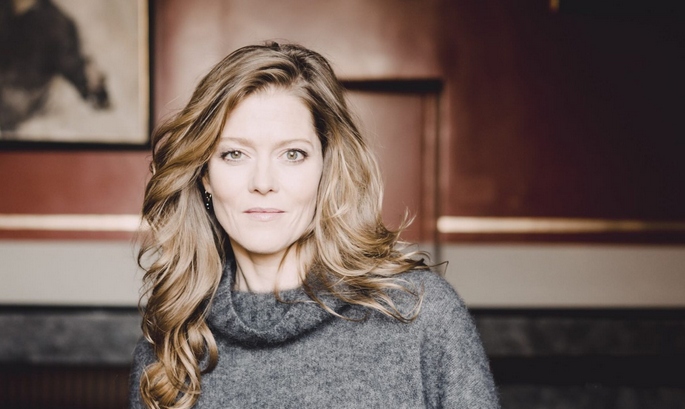
Program Anton Webern: Pět vět op. 5 Wolfgang Amadeus Mozart: Smyčcový kvartet č. 19 C dur „Disonantní“ KV 465 Paul Hindemith: Melancholie op. 13 Arnold Schönberg: Smyčcový kvartet č. 2 op. 10 Interpreti Barbara Hannigan – soprán Belcea Quartet Corina Belcea – housle Suyeon Kang – housle Krzysztof Chorzelski – viola Antoine Lederlin – violoncello Rezidenční umělkyně Pražského jara 2026 Barbara Hannigan patří k nejoriginálnějším osobnostem světa klasické hudby. S neohrožeností sobě vlastní zpívá a diriguje, inspiruje k tvorbě nejlepší skladatele současnosti a vytváří jedinečné projekty přesahující běžnou koncertní praxi. Rodačka z Kanady premiérovala více než stovku skladeb. Spolupracuje s nejlepšími světovými orchestry a dirigenty včetně Berlínských filharmoniků. Je hlavní hostující dirigentkou Göteborského symfonického orchestru, pyšní se pozicemi umělecké partnerky Londýnského symfonického orchestru, první hostující umělkyně Filharmonického orchestru Francouzského rozhlasu a na podzim roku 2026 se stane šéfdirigentkou a uměleckou ředitelkou Islandského symfonického orchestru. Její výjimečný umělecký profil dokresluje řada prestižních ocenění, mimo jiné cena Grammy, titul umělec roku časopisu Gramophone nebo Polar Music Prize 2025, švédská hudební cena založená vydavatelem a manažerem skupiny ABBA Stigem Andersonem, kterou získala spolu s jazzmanem Herbiem Hancockem a kapelou Queen. Její pražskojarní rezidence nabídne čtyři koncerty. ...

Sun May 24, 2026 · 4 min · 692 words · Webern, Hindemith, Schonberg, Mozart

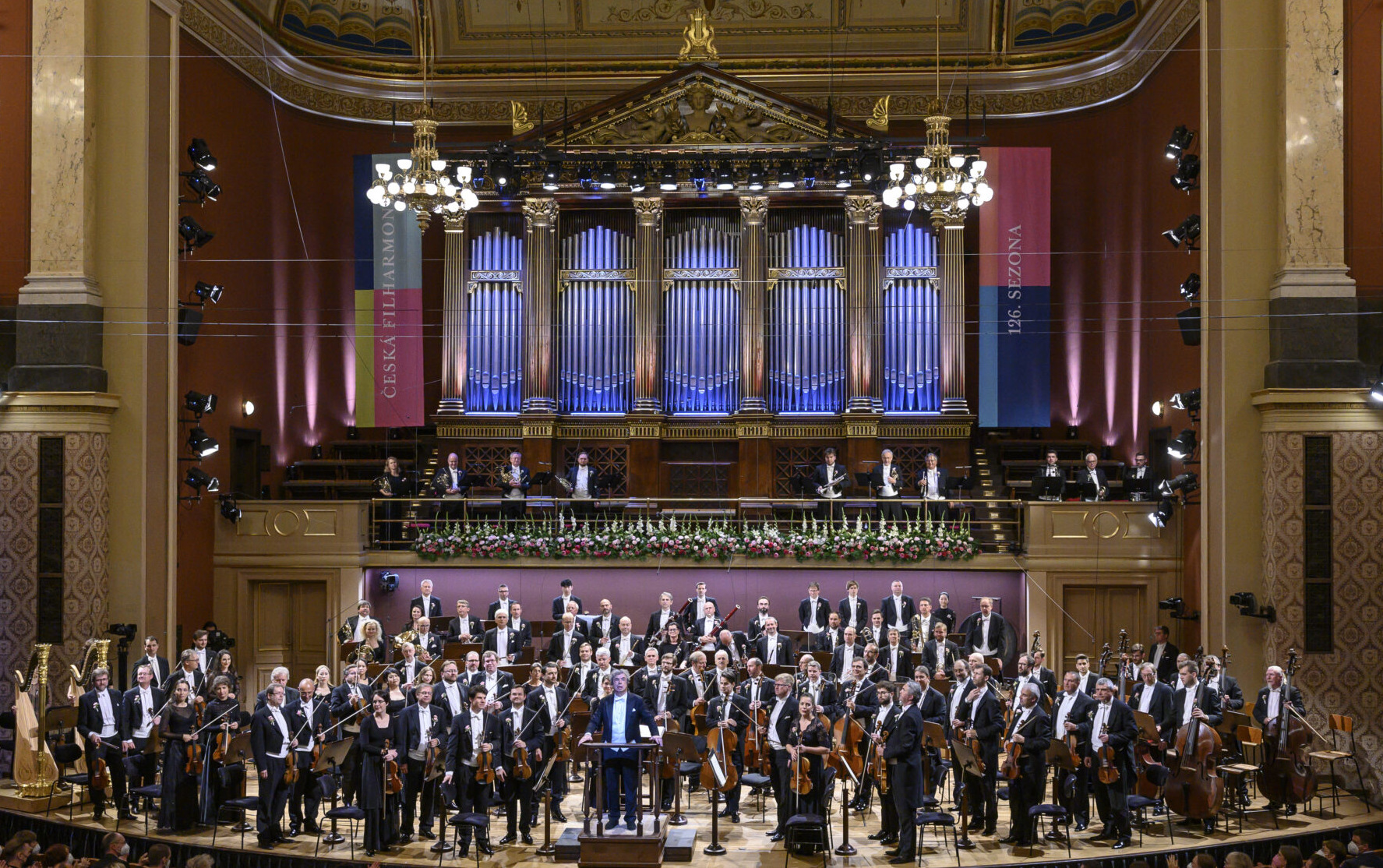
Česká filharmonie

Tue May 19, 2026 · 0 min · 0 words · Bartók, Janáček, Fišer

Tannhauser

Fleur Barron, mezzosoprán Semjon Byčkov, dirigent Česká filharmonie Felix Mendelssohn Bartholdy Symfonie č. 4 A dur, op. 90 „Italská“ (27') Gustav Mahler Písně o mrtvých dětech (27') Richard Wagner Tannhäuser, předehra k opeře (14')

Thu February 19, 2026 · 1 min · 34 words · Wagner, Mahler
To nebude dobre

Symfonie N 9

This year’s Remembrance Concert commemorating the destruction of Dresden on 13 February 1945 features Igor Stravinsky’s »Mass«, a deliberately sober, liturgically reduced Mass setting. The composer did not produce a bombastic celebration of Christ’s sacrifice but rather a piece of quiet contemplation. Anton Bruckner’s Ninth feels rather like a testimonial. The composer dedicated the symphony to »our dear Lord« as an act of the deepest devotion. The three completed movements take us on an emotional journey from loss and devastation to hope before the unfinished work fades into silence. Daniele Gatti unites these two compositions to create a poignant tapestry of mourning, remembrance and contemporary spirituality. ...

Sat February 14, 2026 · 1 min · 106 words · Anton Bruckner
Staatskapelle Berlin

Ein Deutsches Requiem

Conductor Christian Thielemann Orchestra Staatskapelle Berlin Soprano Nikola Hillebrand Baritone Samuel Hasselhorn German and English text The German text below was selected by Brahms from the Lutheran Bible. The English is from the King James Bible. German English I Matthew 5:4 Selig sind, die da Leid tragen, denn sie sollen getröstet werden. Blessed are they that mourn; for they shall be comforted. Psalm 126:5,6 Die mit Tränen säen, werden mit Freuden ernten. They that sow in tears shall reap in joy. Sie gehen hin und weinen und tragen edlen Samen, und kommen mit Freuden und bringen ihre Garben. He that goeth forth and weepeth, bearing precious seed, shall doubtless come again with rejoicing, bringing his sheaves with him. II 1 Peter 1:24 Denn alles Fleisch ist wie Gras und alle Herrlichkeit des Menschen wie des Grases Blumen. Das Gras ist verdorret und die Blume abgefallen. For all flesh is as grass, and all the glory of man as the flower of grass. The grass withereth, and the flower thereof falleth away. James 5:7 So seid nun geduldig, lieben Brüder, bis auf die Zukunft des Herrn. Siehe, ein Ackermann wartet auf die köstliche Frucht der Erde und is geduldig darüber, bis er empfahe den Morgenregen und Abendregen. Be patient therefore, brethren, unto the coming of the Lord. Behold, the husbandmen waiteth for the precious fruit of the earth, and hath long patience for it, until he receive the early and latter rain. 1 Peter 1:25 Aber des Herrn Wort bleibet in Ewigkeit. But the word of the Lord endureth for ever. Isaiah 35:10 Die Erlöseten des Herrn werden wieder kommen, und gen Zion kommen mit Jauchzen; ewige Freude wird über ihrem Haupte sein; Freude und Wonne werden sie ergreifen und Schmerz und Seufzen wird weg müssen. And the ransomed of the Lord shall return, and come to Zion with songs and everlasting joy upon their heads: they shall obtain joy and gladness, and sorrow and sighing shall flee away. III Psalm 39:4-7 Herr, lehre doch mich, daß ein Ende mit mir haben muß, und mein Leben ein Ziel hat, und ich davon muß. Siehe, meine Tage sind einer Hand breit vor dir, und mein Leben ist wie nichts vor dir. Ach, wie gar nichts sind alle Menschen, die doch so sicher leben. Sie gehen daher wie ein Schemen, und machen ihnen viel vergebliche Unruhe; sie sammeln und wissen nicht wer es kriegen vird. Nun Herr, wess soll ich mich trösten? Ich hoffe auf dich. Lord, make me to know mine end, and the measure of my days, what it is: that I may know how frail I am. Behold, thou hast made my days as an handbreadth; and mine age is as nothing before thee. Surely every man walketh in a vain shew: surely they are disquieted in vain: he heapeth up riches, and knoweth not who shall gather them. And now, Lord, what wait I for? my hope is in thee. Wisdom of Solomon 3:1 Der Gerechten Seelen sind in Gottes Hand und keine Qual rühret sie an. But the souls of the righteous are in the hand of God, and there shall no torment touch them. IV Psalm 84:1,2,4 Wie lieblich sind deine Wohnungen, Herr Zebaoth! Meine seele verlanget und sehnet sich nach den Vorhöfen des Herrn; mein Leib und Seele freuen sich in dem lebendigen Gott. Wohl denen, die in deinem Hause wohnen, die loben dich immerdar. How amiable are thy tabernacles, O Lord of hosts! My soul longeth, yea, even fainteth for the courts of the Lord: my heart and my flesh crieth out for the living God. Blessed are they that dwell in thy house: they will be still praising thee. V John 16:22 Ihr habt nun Traurigkeit; aber ich will euch wieder sehen und euer Herz soll sich freuen und eure Freude soll neimand von euch nehmen. And ye now therefore have sorrow; but I will see you again, and your heart shall rejoice, and your joy no man taketh from you. Ecclesiasticus 51:27 Sehet mich an: Ich habe eine kleine Zeit Mühe und Arbeit gehabt und habe großen Trost funden. Ye see how for a little while I labor and toil, yet have I found much rest. Isaiah 66:13 Ich will euch trösten, wie Einen seine Mutter tröstet. As one whom his mother comforteth, so will I comfort you. VI Hebrews 13:14 Denn wir haben hie keine bleibende Statt, sondern die zukünftige suchen wir. For here have we no continuing city, but we seek one to come. 1 Corinthians 15:51,52,54,55 Siehe, ich sage euch ein Geheimnis: Wir werden nicht alle entschlafen, wir werden aber alle verwandelt werden; und dasselbige plötzlich, in einem Augenblick, zu der Zeit der letzten Posaune. Denn es wird die Posaune schallen, und die Toten vervandelt werden. Dann wird erfüllet werden das Wort, das geschrieben steht: Der Tod is verschlungen in den Sieg. Tod, wo ist dein Stachel? Hölle, wo ist dein Sieg? Behold, I shew you a mystery; We shall not all sleep, but we shall all be changed. In a moment, in the twinkling of an eye, at the last trump: for the trumpet shall sound, and the dead shall be raised incorruptible, and we shall be changed. …then shall be brought to pass the saying that is written, Death is swallowed up in victory. O death, where is thy sting? O grave, where is thy victory? Revelation 4:11 Herr, du bist Würdig zu nehmen Preis und Ehre und Kraft, denn du hast alle Dinge geschaffen, und durch deinen Willen haben sie das Wesen und sind geschaffen. Thou art worthy, O Lord, to receive glory and honour and power: for thou hast created all things, and for thy pleasure they are and were created. VII Revelation 14:13 Selig sind die Toten, die in dem Herrn sterben, von nun an. Ja, der Geist spricht, daß sie ruhen von ihrer Arbeit; denn ihre Werke folgen ihnen nach. Blessed are the dead which die in the Lord from henceforth: Yea, saith the Spirit, that they may rest from their labours; and their works do follow them.


Mon January 26, 2026 · 5 min · 1014 words · Johannes Brahms